At about 5 p.m. on May 18th, the medical staff of the BSK Refinery Clinic, who had been busy all day, were about to leave work when they suddenly saw a Security Vehicle stop urgently at the entrance of the clinic. There, a woman was seen holding a child in her arms with a nervous expression and stammering, “The child has drowned. We just took him here from the seaside.”
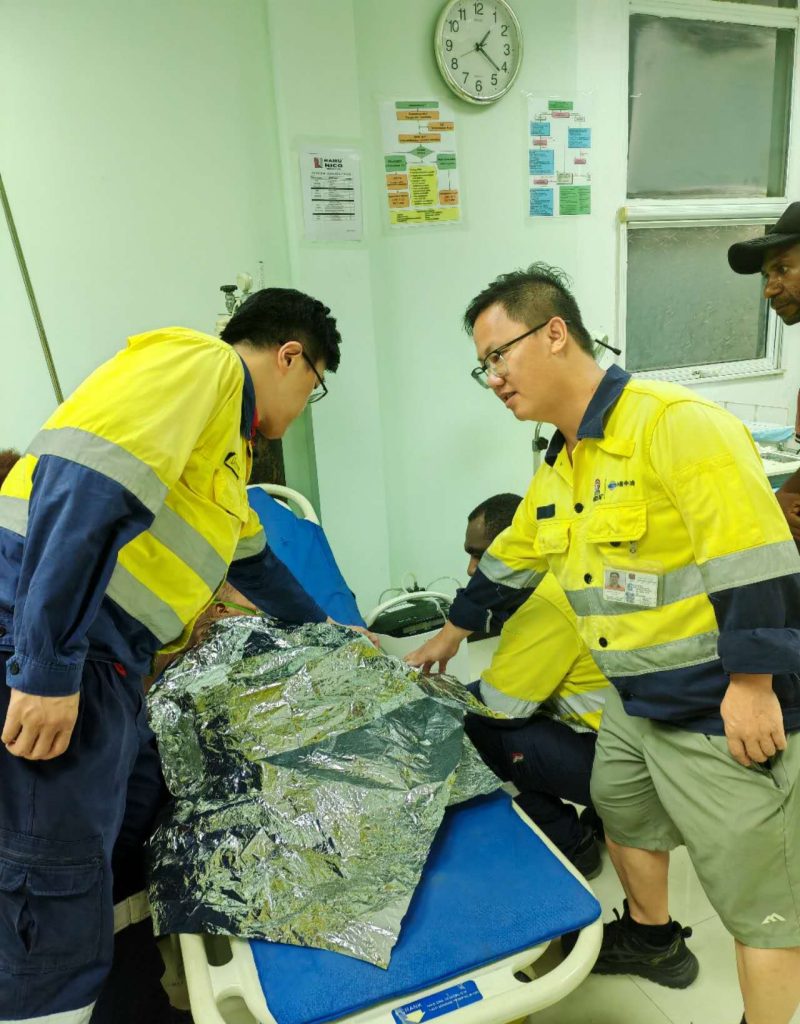
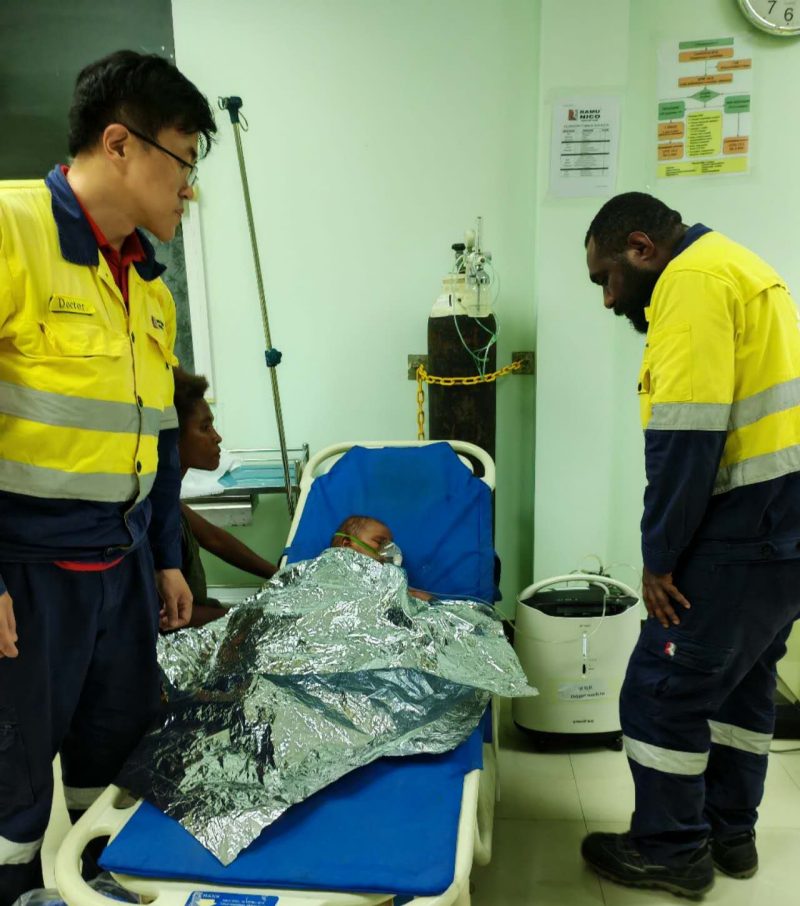
Ma Jianfeng and a group of doctors rushed forward for diagnosis and examination: The drowning child was about one year old, with weak and intermittent breathing, cyanosis of the lips, and confusion of consciousness. “Quickly have the child lie on his side on the hospital bed and use the shaker to raise his head,” Dr. Ma said to the nurse. Immediately clear the mud, sand and dirty objects in the mouth and then provide high-flow oxygen inhalation. However, the situation was far more complicated than expected – due to swallowing a large amount of unclean seawater and external objects during drowning, the child’s stomach and intestines were severely stimulated. During the rescue process, the child had frequent and excessive diarrhea, and the excrement was watery. The already weak child is soon at risk of dehydration, and the situation is not optimistic. The doctor immediately injected anti-edema and anti-inflammatory drugs and decided to establish an intravenous access for fluid replacement. However, as the child was only one and a half years old, his blood vessels were extremely thin, and his circulation was poor after drowning, multiple attempts at puncture were unsuccessful. As time ticked by second by second, the numbers on the monitor tugged at the nerves of everyone present.
“Can’t wait any longer.” ” The doctor promptly adjusted the plan. While continuously providing oxygen inhalation and warm body temperature care, the medical staff switched to intravenous infusion of glucose solution for fluid replacement and alternated it with intermittent oxygen inhalation. They patiently assisted the mother by the bedside, feeding warm glucose water bit by bit with a small spoon, while constantly observing breathing and reactions of the kid.
Half an hour later, a turning point emerged. The child’s breathing gradually became steady and regular. The little bluish-purple face slowly turned red. A hoarse but loud cry came from the clinic consulting room – this cry made everyone’s worried hearts half at ease. Being able to cry out loud indicates that the brain and respiratory functions are recovering. It was almost exactly one hour before we entered the clinic. In this short hour, the company’s doctors raced against death and saved a precious life.
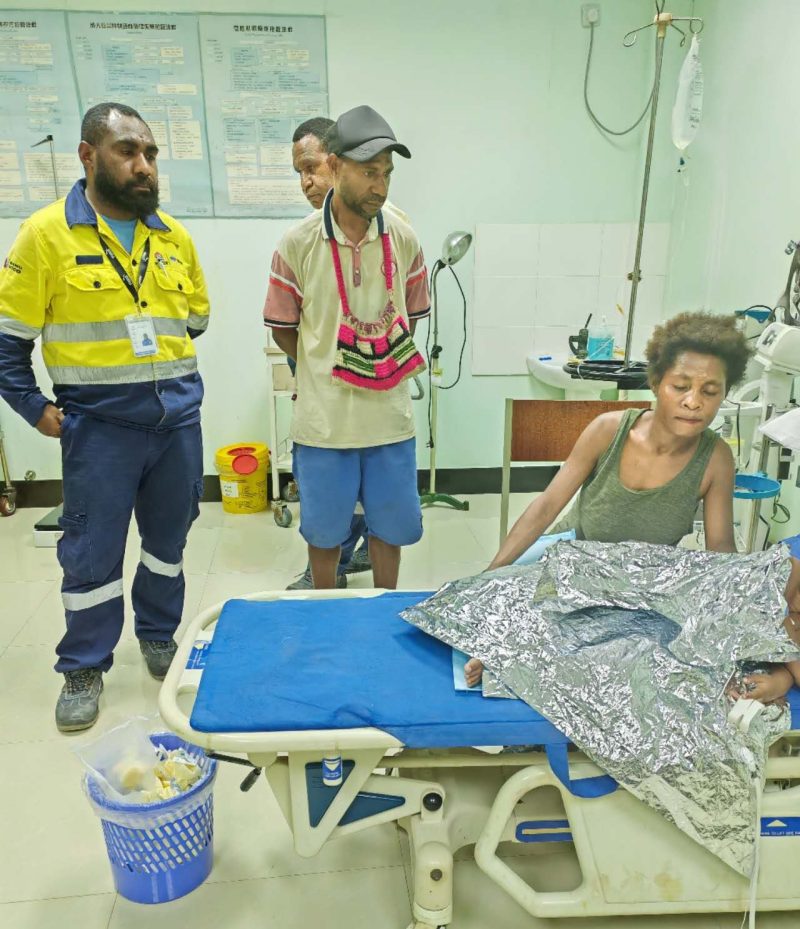
The next few hours, the doctors and nurses were pockets with a family. Fluid replacement, oxygen inhalation, warmth preservation, and excrement cleaning… Every link is meticulous. By around 10:30 p.m. that night, the child’s complexion was normal, his crying was loud, and he actively grasped his parents’ fingers. His vital life signs had completely returned to normal.
“No worry, safe and can go home.” The doctor let out a long sigh of relief and carefully explained the subsequent care precautions to the child’s parents: pay attention to observing body temperature and mental state, continue to supplement oral rehydration salts, and return for a follow-up visit at any time if there are any abnormalities. Before leaving, the Security Vehicle of Ramu NiCo started again and safely escorted the family who had survived the disaster back to their residence.