As the only nickel and cobalt mining and refining project in Papua New Guinea, Ramu NiCo project has integrated green environmental protection throughout the entire mining cycle. By advancing ecological rehabilitation across mined-out areas, it has established itself as a flagship model of green development under the Belt and Road Initiative (BRI), achieving a triple win in environmental, economic, and social benefits.
By now, the mine has completed terrain restoration across approximately 3.44 million square meters of mined-out areas, with around 70% achieving natural regeneration through retained grass seeds and tree species in the soil. Ramu NiCo has also employed local community members to participate in seedling planting, completing an additional 370,000 square meters of assisted re-greening.
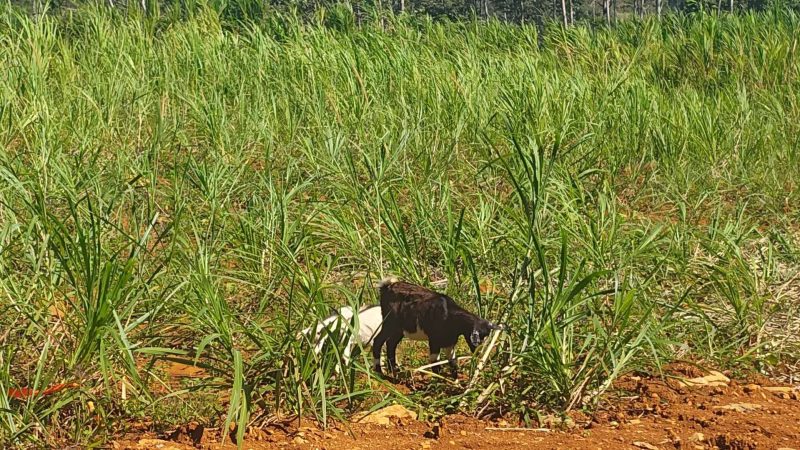
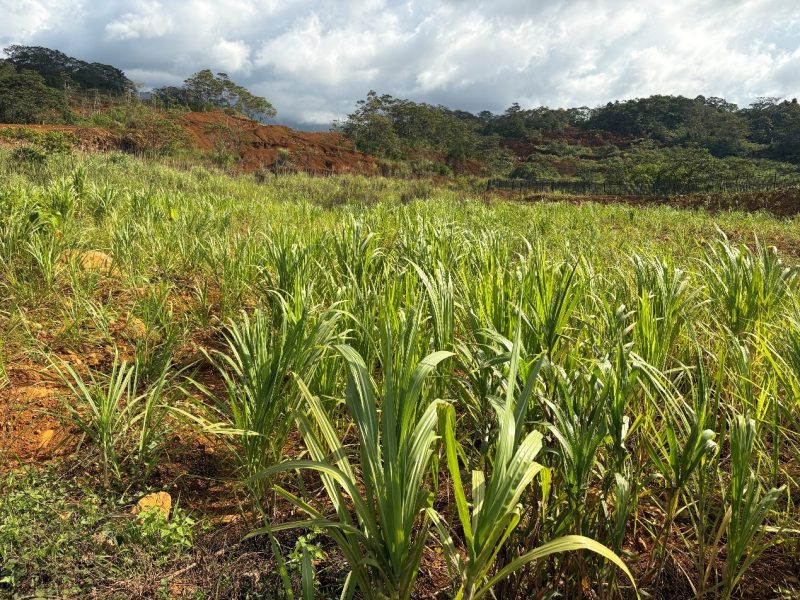
For areas with poor soil fertility and slower natural recovery, the project has pioneered an integrated reclamation model combining Juncao grass cultivation, mushroom farming, and livestock development. More than 338,000 giant Juncao grass plants have been planted across 55,000 square meters. With its fast growth and extensive root system, Juncao grass serves as a pioneer species that quickly restores plant and green cover and stabilizes ecosystems.
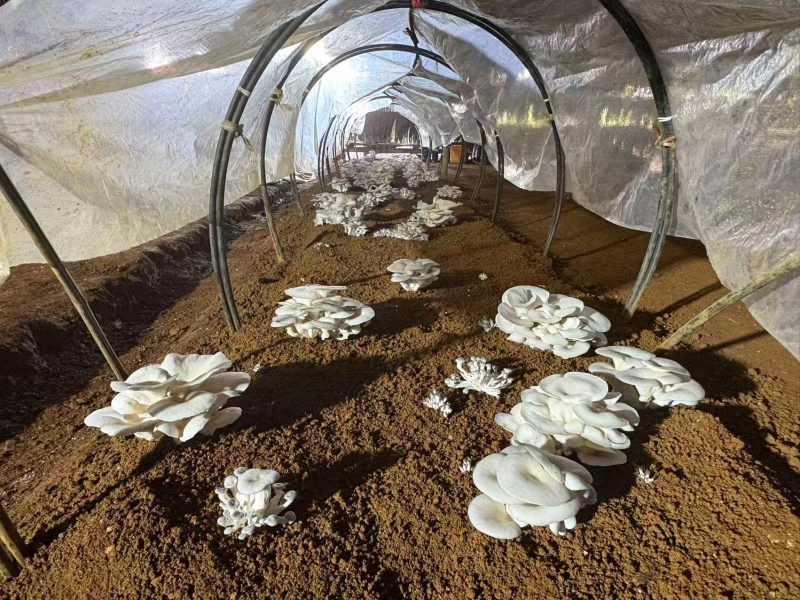
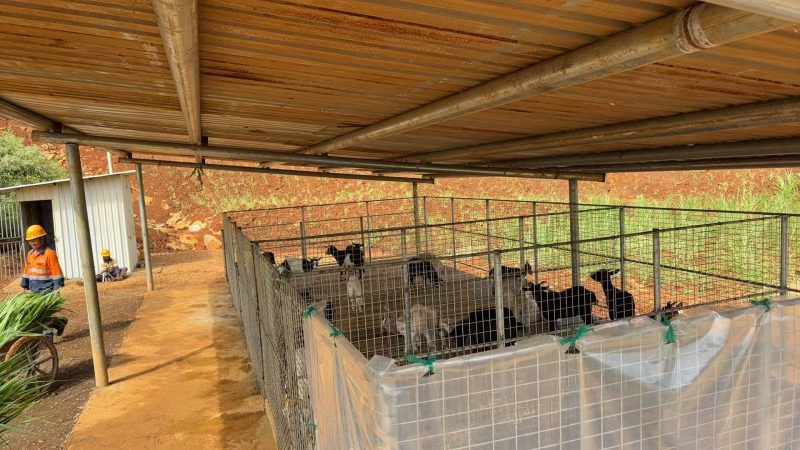
Based on this foundation, Ramu NiCo has developed a closed-loop circular model: “Juncao grass → food feed → livestock → mushrooms → organic fertilizer.” The grass is processed into mushroom substrate and high-quality fodder for goat farming, while livestock manure is composted to fertilize Juncao fields, enhancing soil organic matter. This approach deeply integrates mine rehabilitation with agricultural production, reducing reclamation costs while creating local employment opportunities.
This green practice not only highlights Ramu NiCo’s commitment to responsible development, but also deepens China–PNG cooperation through industrial empowerment. It injects strong green momentum into the implementation of the BRI, advancing the harmonious coexistence between humanity and nature.(Author Ma Yanqiang)